
What Is the Process for Pool Cage Installation in Orlando, FL
If you own a pool in Orlando, you already know the trade off. Warm weather almost year round is great for swimming, but it also means bugs, leaves, and intense sun find their way into your pool area just as easily as you do. That is why so many homeowners here add a pool cage: it keeps insects out, cuts down on debris in the water, and gives you a shaded, more private space to relax poolside.
Getting there takes more than picking a screen color, though. Pool cage installation in Orlando involves planning, design decisions, permitting where required, site preparation, construction, screening, and inspection. Here is what that process looks like, step by step.
What Is a Pool Cage
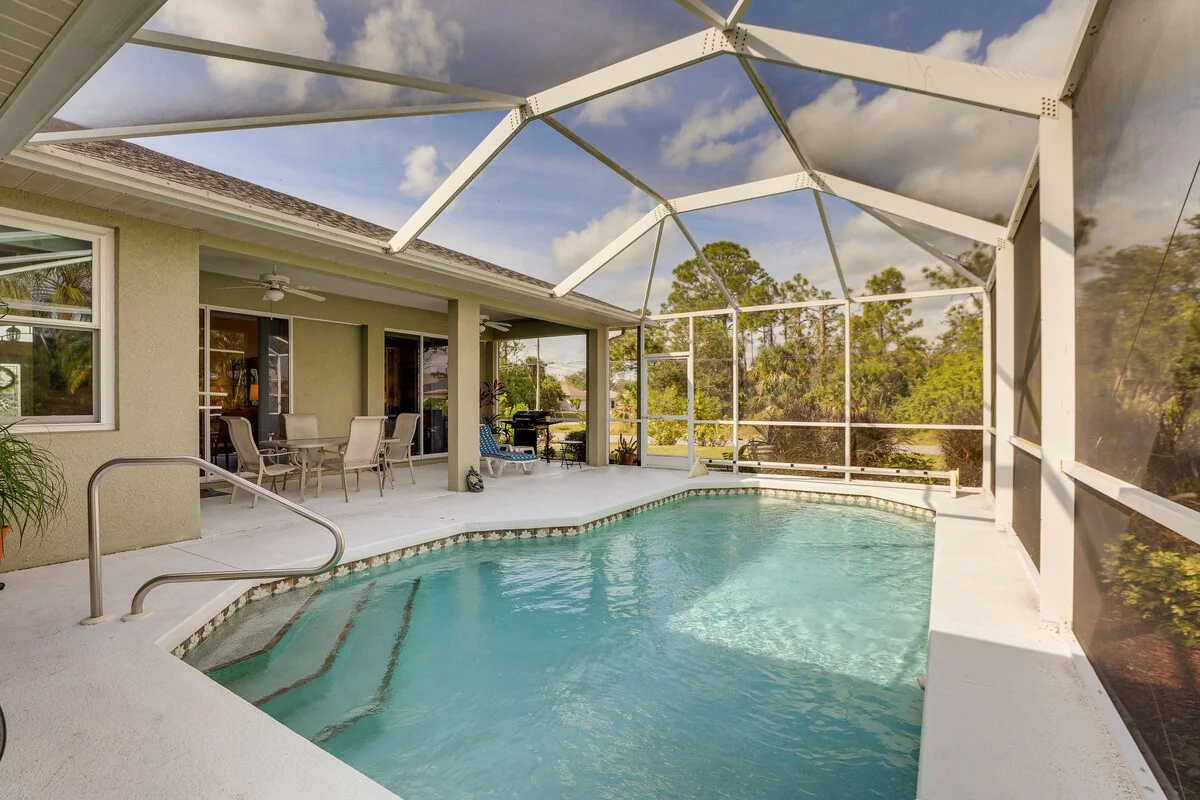
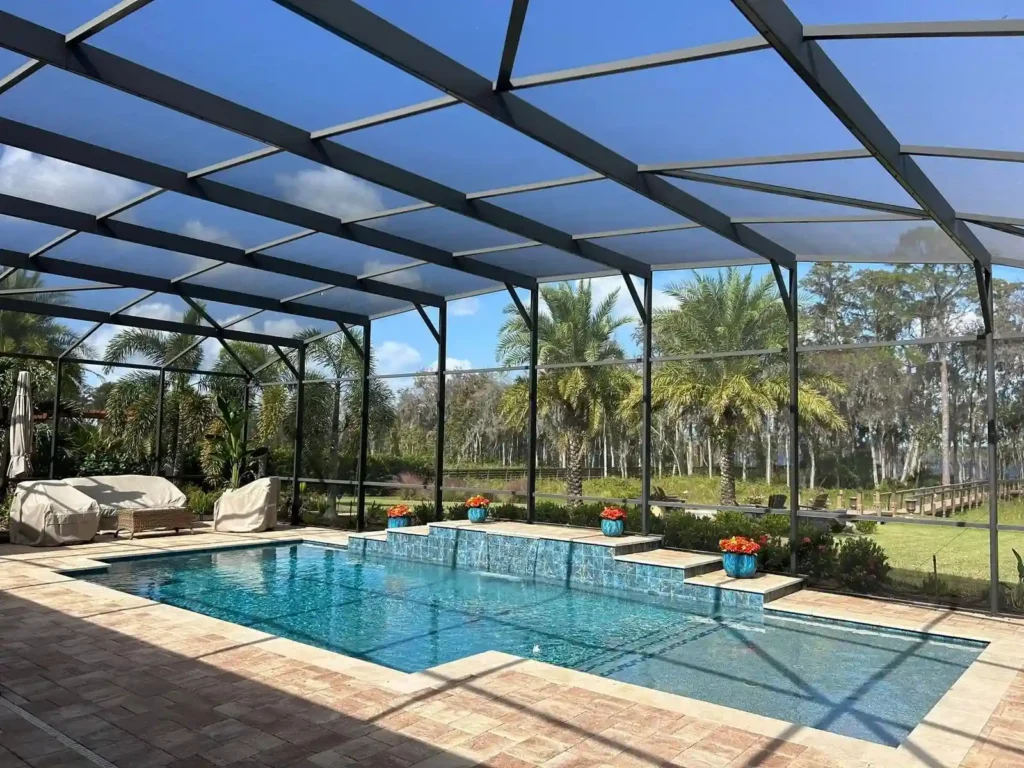
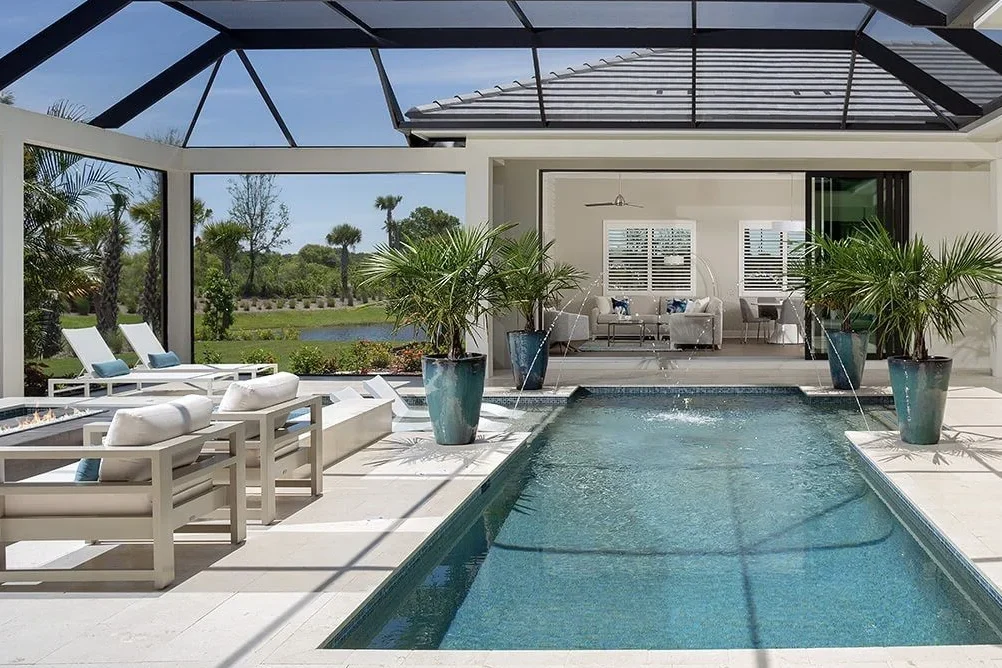
An Orlando pool cage is an aluminum frame fitted with screen panels that encloses the pool and surrounding deck. The frame carries the structural load, while the screen keeps out insects and reduces leaves blown in by wind. Design decisions typically include enclosure size, height and roof style, door placement, screen type, frame color, and how the structure fits around the existing pool, deck, and landscaping.
It is worth being clear on what a pool cage is not. A pool barrier or safety fence is a separate feature, often required under Florida pool safety law, meant to prevent unsupervised access to the pool.
A solid roof enclosure is different again, built with a roof material instead of screen, which changes the design, drainage, and permitting considerations. Installing a pool cage does not automatically satisfy every safety barrier requirement for your property. That needs its own review as part of the overall project.
The Pool Cage Installation Process in Orlando
1. Property Assessment and Consultation
A qualified installer starts by walking the property: pool and deck dimensions, the layout of the house, property lines, existing structures like a lanai or shed, access points, landscaping, and drainage patterns. This assessment is what makes the rest of the design realistic instead of theoretical, and skipping it is how projects run into surprises later.
2. Choosing the Pool Cage Design
With the site understood, the homeowner and contractor settle on enclosure size, height, roof configuration, door placement, frame color, and screen type. This is where appearance, everyday function, durability, and local requirements need to line up. A design that ignores setback rules or drainage will need to be reworked, so it pays to get this step right early.
3. Reviewing Permits and Local Requirements
Before construction starts, homeowners need to know whether a permit applies. Requirements depend on the property, scope of work, zoning, easements, and sometimes HOA rules.
For properties within the City of Orlando, screened enclosures are subject to specific local requirements. The city generally requires a minimum five foot setback from side and rear property lines for screened enclosures with screened roofs, and additional requirements may apply depending on the property and design.
Orlando also requires a separate permit for pool screen enclosures on applicable projects. These figures should not be treated as fixed for every property: confirm current setback, zoning, and permitting rules with the City of Orlando before construction begins, and review pool safety barrier requirements separately, since they are not the same thing as the screen enclosure.
4. Preparing the Site
Once design and permitting are settled, the crew prepares the site: confirming measurements against the approved plan, marking post locations, preparing attachment points, checking the existing deck or concrete surface, protecting nearby landscaping, and planning access for equipment. Careful prep here is what allows the frame to go up straight and level.
5. Installing the Aluminum Frame
This is the structural core of the project. Vertical posts go in first, followed by horizontal framing and the roof structure, with connections secured and the frame anchored according to the approved design. Accuracy matters here for how the structure performs over time and how clean the finished enclosure looks, since a frame that is even slightly out of alignment shows up in every screen panel installed afterward.
6. Installing the Pool Screen
With the frame complete, screen panels are fitted and secured into place, sitting flat and even for a clean look while keeping insects, leaves, and debris out of the pool. Homeowners often have preferences here based on visibility, airflow, privacy, and how the screen will hold up to Central Florida weather.
7. Installing Doors and Finishing Components
Screen doors, handles, latches, spline, and other finishing details go in next. Doors need to open and close smoothly and align properly with the frame, since this is the part of the enclosure homeowners interact with daily.
8. Final Inspection and Cleanup
For projects that require it, this is when applicable inspections take place. The contractor, and where required by the local building department, checks frame alignment, screen tension, door operation, connection points, and overall appearance, then the site is cleaned up and debris removed. Homeowners should get confirmation that any required permitting and inspection steps are actually closed out, not just that the work looks finished.
How Long Does Pool Cage Installation Take in Orlando
A pool cage installation in Orlando generally takes 4 to 8 weeks from contract signing to final completion. However, the physical installation may only require 3 to 7 days, depending on the project. The timeline usually includes:
- Quote and contract: 1 to 3 days
- Engineering and permits: 2 to 4 weeks, often the longest stage
- Construction and screening: 3 to 7 days, with simpler projects sometimes completed in 2 to 5 days
- Final inspection: 1 to 2 days after completion
Several factors can affect the schedule, including enclosure size, custom designs, existing cage removal, site conditions, material availability, permitting, and Florida weather. Rain, high winds, and storms may cause temporary delays. For a more accurate timeframe, your contractor should assess your property and project requirements before confirming the installation schedule.
How Much Does a Pool Cage Cost in Orlando
A new pool cage in Orlando typically costs $12,000 to $30,000+, with many standard installations falling around $20,000 to $23,000. Pricing generally ranges from $12 to $35 per square foot, depending on size, design, materials, and structural requirements. Estimated typically project costs mentioned in the following:
- Small enclosure: $12,000 to $15,000
- Medium enclosure: $15,000 to $25,000
- Large or custom enclosure: $25,000 to $50,000+
Several factors can change the final price, including roof style, enclosure dimensions, screen mesh, panoramic framing, and site requirements. Premium options such as Super Screen, No-See-Um mesh, privacy screening, or custom roof designs can increase costs. Florida’s strict wind load requirements, engineering, permits, and proper anchoring also affect the overall investment.
Read More: Types of Screen Enclosures in Florida: Pool, Patio & Custom
What Should Orlando Homeowners Look for in a Pool Enclosure Contractor
Choosing the right pool enclosure contractor can make a major difference in the structure’s durability, safety, and long term performance. Orlando homeowners should look for a licensed and insured company with experience handling local permits and Florida’s demanding weather conditions.
Key Qualities to Check
- Proper Licensing: Verify that the contractor holds the required credentials to perform pool enclosure work in Orlando.
- Insurance Coverage: Confirm general liability and workers’ compensation insurance before work begins.
- Permit Expertise: Choose a contractor familiar with Orange County requirements, wind load standards, and inspection procedures.
- Quality Materials: Look for durable aluminum framing, corrosion resistant hardware, and weather suitable screening.
- Clear Warranty: A reputable contractor should provide written coverage for both workmanship and structural components.
Florida Precision Screens can help homeowners evaluate their enclosure needs and choose an installation approach suited to their property.
How Can You Maintain Your New Pool Screen Enclosure
- Rinse The Enclosure Regularly: Use a garden hose every few months to remove dust, pollen, leaves, and loose debris.
- Clean With Mild Soap: Mix mild soap with warm water and gently scrub stubborn dirt using a soft bristle brush.
- Avoid Pressure Washing: High pressure can stretch, weaken, or tear screen mesh, particularly when the nozzle is held too close.
- Inspect After Severe Storms: Check for tears, loose spline, bent sections, or damaged fasteners, and address problems before they worsen.
- Maintain Doors And Hardware: Regularly check hinges, locks, latches, and rollers to ensure everything opens and closes smoothly.
- Control Nearby Vegetation Growth: Keep trees and shrubs trimmed to prevent branches, leaves, and moisture from affecting the enclosure.
- Repair Damage Without Delay: Address minor screen damage promptly to prevent small tears from spreading and requiring larger repairs.
- Consider Professional Services: Florida Precision Screens can assess significant damage and recommend suitable repair or replacement solutions.
Why Choose Professional Pool Cage Installation
Professional pool cage installation offers more than a finished appearance. In Orlando, proper planning and construction are important because screen enclosures must meet local building requirements and withstand Florida’s demanding weather conditions. The city of Orlando notes that screen enclosures require permitting and must follow applicable development and building codes.
- Code Compliant Construction: Professionals understand local permitting, setbacks, structural requirements, and inspection procedures.
- Proper Structural Support: Experienced installers use suitable framing, anchoring, and engineering for the project’s specific requirements.
- Better Fit and Finish: Accurate measurements help ensure the enclosure fits your pool deck and property correctly.
- Quality Materials: Professional installation helps ensure the right screen mesh, aluminum framing, and hardware are selected.
- Long Term Durability: Correct installation can reduce premature screen damage, loose connections, and structural issues.
- Expert Project Management: A professional team can coordinate measurements, plans, permits, installation, and final inspections more efficiently.
For Orlando homeowners, choosing an experienced contractor can help ensure the pool cage is built correctly from the start.
Get a Free Pool Cage Installation Quote in Orlando
Planning a new pool cage or replacing an aging screen enclosure? Florida Precision Screens can help you understand your options, project requirements, and installation needs. Contact our team today to discuss your Orlando property and request a personalized pool cage installation quote.
Final Notes
Installing a pool cage in Orlando involves more than assembling an aluminum frame and adding screen. A successful project starts with a careful property assessment, followed by design planning, permit review, site preparation, structural installation, screening, and final inspection. Taking time to complete each stage properly can help create a safer, more functional, and attractive outdoor space.
Homeowners should also consider factors such as local requirements, enclosure size, screen selection, drainage, property layout, maintenance, and long term durability. Because every property is different, the right installation approach should be based on the specific site rather than a standard design or estimate.
If you are considering a new enclosure, rescreening project, or pool cage replacement, Florida Precision Screens can help you evaluate your options. Contact the team to discuss your project and get a solution designed around your Orlando home and pool area.
Frequently Asked Questions
Do I need a permit for pool cage installation in Orlando?
Many screen enclosure projects in Orlando require a permit, and the city treats screened enclosures as subject to specific requirements, including setbacks. Confirm your project’s exact requirements with the city of Orlando before work begins.
Can a pool cage be installed around an existing pool?
Yes! A new enclosure can generally be designed around an existing pool and deck, provided the site meets structural and permitting requirements.
Does a pool cage count as a pool safety barrier?
Not automatically! A pool cage keeps out insects and debris, while pool safety barrier requirements are a separate matter under Florida law and should be reviewed on their own.
Can I customize the design of my pool cage?
Yes! Homeowners can choose different enclosure heights, roof styles, screen options, framing layouts, and design features to complement their pool area and property.
What should I do if my pool cage is damaged by a storm?
Have the enclosure inspected for damaged screens, bent framing, loose connections, or other structural issues. Addressing storm damage promptly can help prevent further deterioration.
Can I just replace the screen instead of building a new enclosure?
If your existing frame is in good condition, pool screen replacement or rescreening may be all you need. A contractor can assess the frame, fasteners, and doors to confirm the structure is suitable for the new screen.