
Pool Enclosures & UV Protection: What You Need to Know
Think your pool enclosure fully shields you from the sun? Not quite. While it cuts glare, heat, and a significant portion of UV rays, your skin is still exposed more than you might expect.
Homeowners believe that screens function like sunscreen, but actual screen performance requires more detailed examination. Your selection between standard mesh, which blocks some harmful rays, and advanced solar screens, which provide almost complete protection, creates a significant impact.
In this guide, Florida Precision Screens experts provide a detailed explanation of how pool enclosures control sunlight and their actual protective capabilities in this guide. You will discover methods to maintain safety during your outdoor activities.
How Pool Enclosures Filter Sunlight & UV Rays
Pool screen enclosures do more than just block insects; they act as a physical filter between you and the sun. The mesh material intercepts a portion of incoming ultraviolet (UV) rays while also diffusing visible light, creating a softer, shaded environment.
Types of Pool Screens & Their UV Protection
- Standard Fiberglass Screens: These screens block between 30% to 50% of UV radiation, which helps decrease direct sun exposure but allows some rays to pass through.
- Solar & High-Density Screens: The advanced materials enable users to block UV rays up to 90% while enhancing protection and decreasing both heat and glare.
- Partial UV Penetration: High-performance screens allow some UV light to reach users, which creates a risk of skin damage.
- Sun Safety Essentials: Complete protection requires using sunscreen while wearing protective clothing and avoiding peak sun exposure times.
Can You Get a Sun Tan Through a Screened Pool in Florida?
Yes! You can still tan or even get sunburn under a pool screen. While enclosures create shade and reduce UV exposure, they don’t block it completely. Most standard screens act like light filters, allowing enough ultraviolet rays through to affect your skin over time.
- 30–40% UV Reduction: Standard screens filter only part of UV radiation, allowing enough exposure for tanning and gradual skin damage.
- Peak Sun Hours (10 AM–4 PM): UV intensity is highest during this window, making sunburn possible even inside a screened enclosure.
- Slower Exposure, Same Risk: Screens reduce intensity, so tanning or burning takes longer—but it still happens over time.
- Mesh Density Impact: While some tighter or specialty screens improve performance, certain materials may only block around 5–6% of total sunlight, offering limited protection.
- Reflected UV Exposure: Water and surrounding surfaces can reflect UV rays, increasing overall exposure even in shaded conditions.
UV Protection by Screen Type & Exposure Level
| Screen Type | UV Block % | Heat Reduction | Sunburn Risk | Best Use |
| Standard Fiberglass | 30%–50% | Low | Medium–High | Basic pool shade |
| Tighter Mesh / No-See-Um | 50%–70% | Medium | Medium | Better UV filtering |
| Solar Screen | 80%–90% | High (10–15°F cooler) | Low–Medium | Maximum protection |
Many people assume pool screens provide full sun protection. However, they’re just one layer of defense. For better safety and long-term durability of your enclosure, consider expert advice. Call +1 407-924-6572 for a free consultation today.
Standard vs Solar Screens: What’s the Real Difference?
Not all pool screens offer the same level of protection. The material, weave density, and design directly affect how much UV light and heat get through.
Standard Fiberglass Screens
- UV Protection: Blocks around 30%–50% of UV rays
- Sunlight Filter: Reduces glare and brightness but still allows noticeable exposure
- Heat Control: Minimal temperature reduction compared to advanced options
- Best For: Basic insect protection and general pool enclosure use
Solar / High-Density Screens
- UV Protection: Can block up to 80%–90% of UV rays
- Sunlight Filter: Significantly reduces glare and visible light penetration
- Heat Control: Can lower surrounding temperatures by up to 10–15°F (5–8°C)
- Best For: Strong sun protection, Florida-style high UV climates, and comfort-focused outdoor living
Key Difference to Remember
Standard screens act more like a light shade, while solar screens function closer to a UV-filtering barrier. However, neither option provides 100% protection, so additional sun safety measures are still necessary during long outdoor exposure.
Do Pool Screens Protect Your Skin Enough?
Pool screens definitely reduce your exposure to sunlight, but they don’t make your pool area completely UV-safe. Think of them as a filter, not a shield, because a portion of harmful rays still reaches your skin.
Here is an analysis of the effectiveness of pool screens in safeguarding your skin:
How Pool Screens Protect You
- Reduce UV Exposure: Standard screens block roughly 30% to 50% of UV rays, lowering overall sun intensity.
- Slow Down Sunburn: You can still burn, but it takes longer compared to direct sunlight exposure.
- Create Shade: Constant overhead shade reduces glare and keeps the pool area cooler and more comfortable.
Where Protection Falls Short
- UVA Rays Still Pass Through: Although many screens block more UVB (burning rays), UVA rays, which cause skin ageing and long-term damage, still penetrate.
- Ongoing Skin Exposure: Even with screening, you may still receive around 60%–70% of total UV radiation, enough for tanning and potential damage over time.
- Reflected UV Adds Up: Sunlight bouncing off water, tiles, and nearby surfaces increases overall exposure even in shaded areas.
How to Improve Protection
- Apply Sunscreen Regularly: Use a broad-spectrum SPF 30+ sunscreen, even under a screened enclosure.
- Wear Protective Swimwear: Consider wearing rash guards or UV-protective clothing to add an extra barrier for longer outdoor sessions.
- Upgrade Screen Type: High-performance solar screens can block up to 90% of UV rays, offering significantly better protection than standard mesh.
- Maintain Your Enclosure: Damaged or aged screens lose effectiveness over time, so regular inspection is important.
Key Takeaway
A pool screen is a helpful first layer of defense, but it should be treated as partial sun protection, not a replacement for sunscreen or safe sun habits.
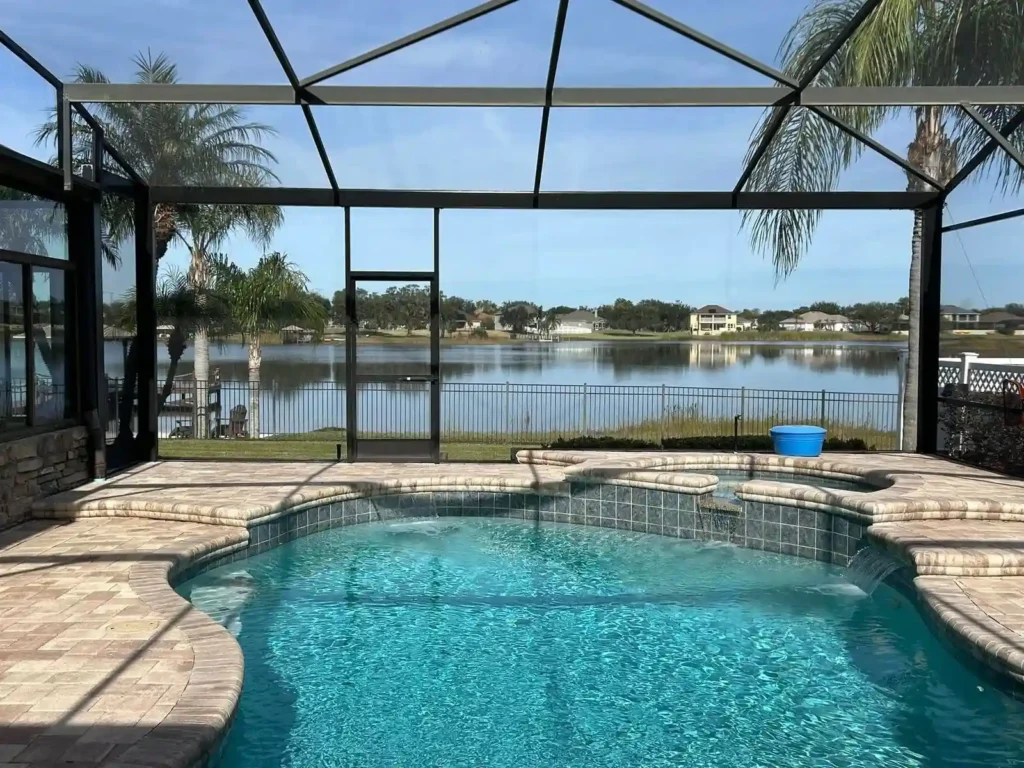
Enjoy Your Pool Without Compromising on Comfort
Not all screens are created equal, and neither is the protection they offer. Florida Precision Screens serves homeowners throughout Florida, helping them choose enclosures that actually match their lifestyle and sun safety needs. Reach out today and let their team guide you toward a smarter, more comfortable outdoor setup.
Closing Notes
Pool screens are a smart addition to any outdoor space, but they are not a complete solution for UV protection. They reduce sunlight intensity, lower heat, and provide shade—but a meaningful amount of UV radiation still reaches your skin.
In simple terms, think of a pool screen as a comfort upgrade, not a sunscreen replacement. It helps reduce risk, but it doesn’t remove it. Your actual protection depends on screen type, exposure time, and how strong the sun is during the day.
To stay safe while enjoying your pool:
- Don’t rely on shade alone for protection.
- Apply sunscreen even in screened areas.
- Be extra careful during peak UV hours.
- Upgrade to high-density solar screens for better protection.
With the right setup and habits, you can enjoy your pool comfortably while keeping your skin better protected year-round.
FAQs
Do you tan faster in a pool or lying out?
Yes, you can actually tan faster in a pool. Water reflects UV rays back onto your skin, increasing exposure from multiple directions. Cool water also masks heat, so you stay out longer without realizing it, making sunscreen essential regardless of screen protection.
Does a Pool Enclosure Keep the Area Cooler?
Yes, pool enclosures do help reduce heat, especially solar screens, which can lower surrounding temperatures by up to 10–15°F. Standard screens offer minimal cooling, while high-density solar screens significantly cut heat and glare, making your pool area noticeably more comfortable during Florida’s hot summer months.
Can You Tan Through a Pool Screen in Florida?
Absolutely! Florida’s high UV index means enough rays pass through standard pool screens to tan your skin over time. With screens blocking only 30–50% of UV radiation, prolonged exposure under your enclosure can still result in a noticeable tan; and even sunburn during peak hours.
How much does a UV pool screen system cost in Florida?
In Florida, installing a new UV-resistant pool screen enclosure typically costs between $12,000 and $30,000+, depending on size, design, and material quality. If you’re upgrading existing screens to UV-blocking or solar-shading mesh, the cost usually increases by around $3,000 to $5,000+ based on enclosure dimensions and fabric type.
Does Pool Screen Block UV Rays in Florida?
Pool screens do block UV rays, but not completely. In Florida’s intense year-round sun, standard screens filter only 30–50% of UV radiation, leaving your skin still exposed. Upgrading to solar screens, which block up to 90%, is a smarter choice for Florida’s high UV climate.