

Is It Better to Have a Screened Porch or Sunroom in Florida
Florida living is built entirely around the outdoors. Homeowners cherish the abundant sunshine, coastal breezes, and lush tropical scenery. However, making the most of your backyard means choosing the right way to extend your living space.
Two of the most popular home additions are screened porches and sunrooms. While both options enhance your property, they serve entirely different lifestyles, budgets, and climate demands.
Choosing the right option requires balancing open-air relaxation against total climate protection. Let’s break down how these two structures perform under Florida’s unique environmental and regulatory conditions.
| Build Your Dream Outdoor SpaceFrom open-air screened porches to climate-controlled sunrooms, Florida Precision Screens builds outdoor spaces designed for Florida living. Request your free consultation today.Contact Us |
What Is a Screened Porch
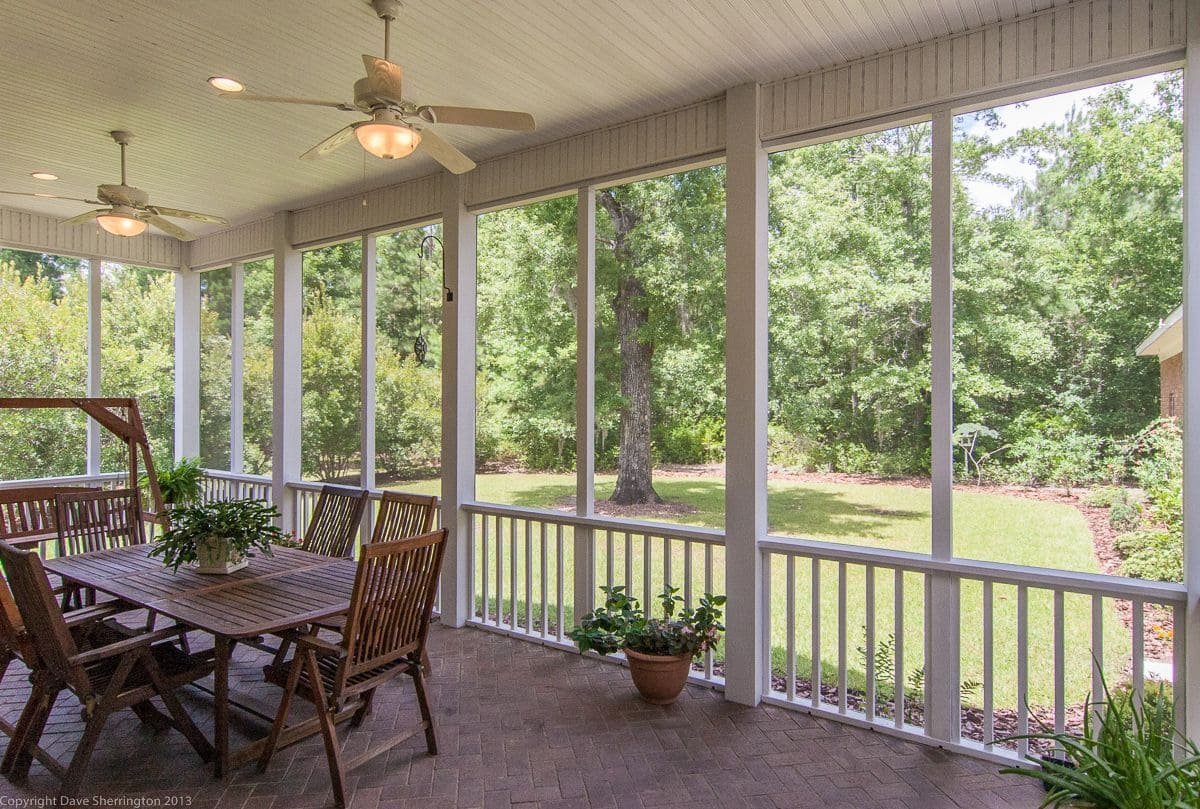
A screened porch is a semi-open outdoor living space constructed with a solid roof and enclosed with high-durability mesh screens instead of glass. It acts as an open-air transition zone between your home and your backyard.
- Shaded, open-air structure
- Uses heavy-duty mesh (e.g., Phifer TuffScreen)
- Perfect for seasonal breezes & evening relaxation
In Florida’s subtropical climate, where biting insects thrive, a screened porch offers a dedicated sanctuary. Utilizing modern, tear-resistant materials like Phifer TuffScreen or regular aluminum mesh protects your family from mosquitoes, no-see-ums, and debris while maintaining full ventilation.
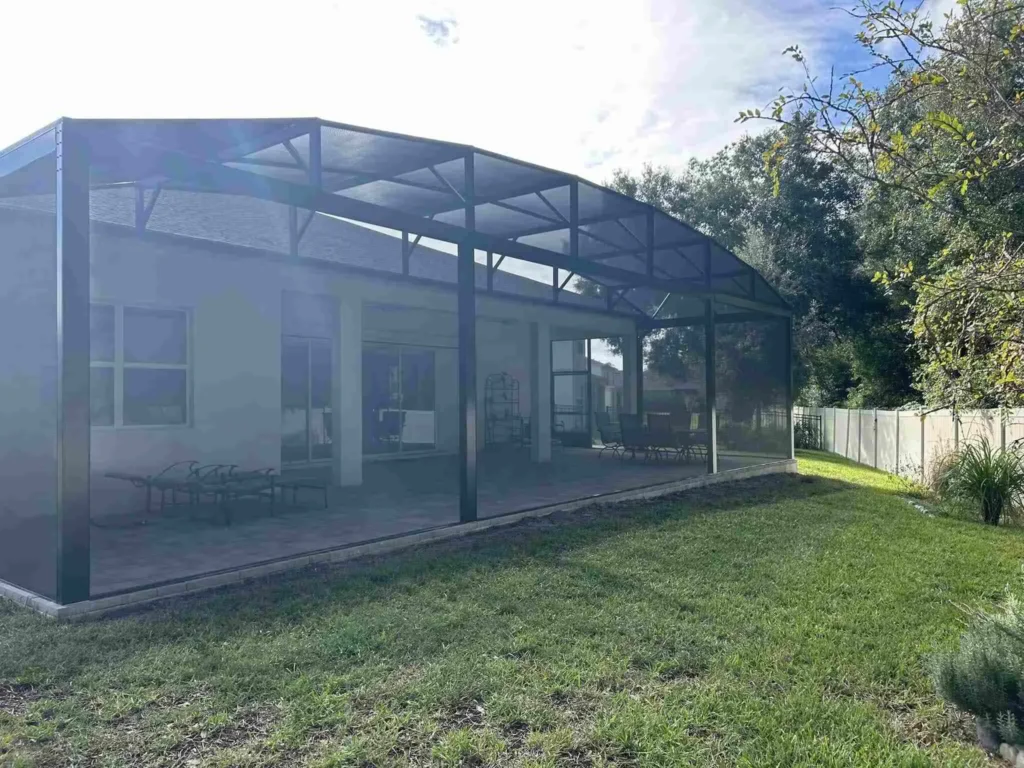
Enjoy Fresh Air and Outdoor Living
Screened porches excel during Florida’s gorgeous spring, fall, and mild winter seasons. They provide a shaded retreat for morning coffee, outdoor dining, or evening relaxation without direct sun exposure. The constant airflow keeps the area fresh, making it feel like a true extension of nature.
Cost and Affordability
Affordability is a major advantage of a screened enclosure. If you possess an existing concrete patio or deck foundation, installing a high-quality screen enclosure typically ranges between $3,500 and $22,000. Even premium builds utilizing insulated patio roofs remain significantly more budget-friendly than constructing a seamless room addition.
Things to Consider Before Choosing
Because screened porches rely on open mesh, they offer zero protection against Florida’s relentless summer humidity, driving rain, or ambient heat. Without outdoor ceiling fans or portable cooling, the space can become uncomfortable from June through September. Additionally, items kept on a screened porch must be rated for outdoor use to withstand high humidity and moisture.
What Is a Sunroom
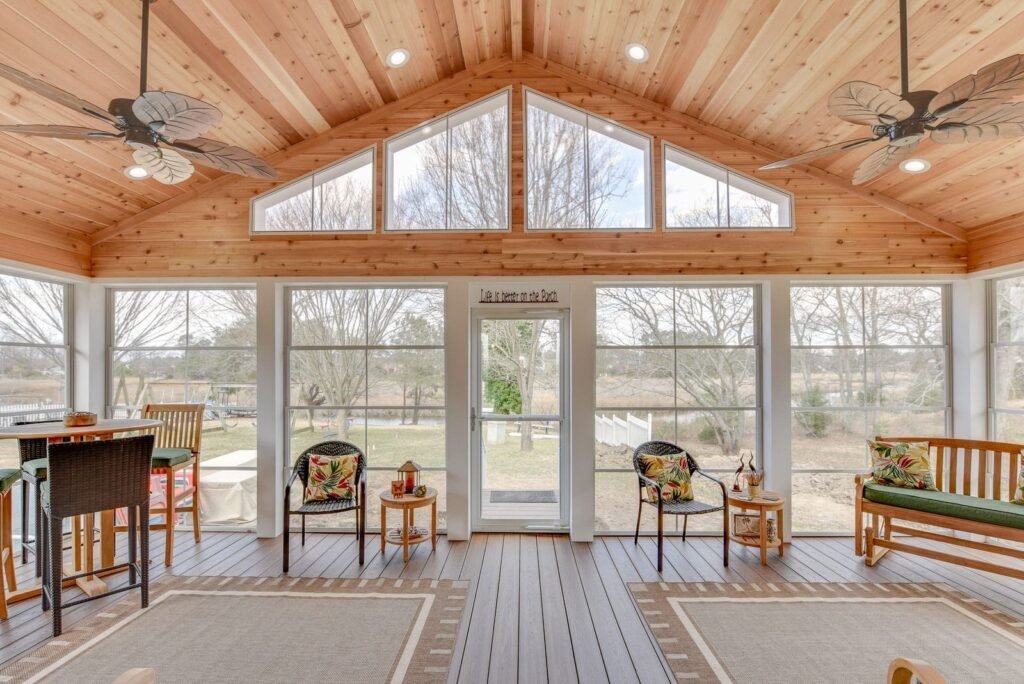
A sunroom is a fully enclosed, insulated home addition featuring large glass windows designed to maximize natural light while providing complete isolation from the elements.
- Fully enclosed, conditioned space
- Uses impact glass / double-pane insulated vinyl
- Adds true square footage under the home’s main HVAC
Unlike a porch, a sunroom adds actual heated and cooled square footage to your property. These structures are built using heavy-duty vinyl or aluminum frames paired with energy-efficient glass options to block intense solar heat gain.
Year-Round Comfort and Climate Control
The biggest benefit of a Florida sunroom is total climate control. By extending your central HVAC system or installing a dedicated ductless mini-split AC unit, this room remains a crisp 72 degrees even during the hottest July afternoons. You can watch afternoon thunderstorms or enjoy panoramic backyard views without dealing with bugs or heavy humidity.
Increased Home Value and Square Footage
Because the sunroom is fully enclosed and climate-controlled, local appraisers count it toward your home’s official livable square footage. This structural enhancement adds long-term equity and significantly increases your home’s market appeal to future buyers looking for versatile indoor space.
Cost and Long-Term Investment
Sunrooms require a larger upfront capital investment. Basic three-season sunroom packages start between $15,000 and $20,000, while premium, four-season rooms integrated seamlessly with your home’s roofline can range from $45,000 to over $150,000. Homeowners must also budget for building permits, architectural engineering, and modest increases in monthly utility bills.
Screened Porch vs. Sunroom: Side by Side for Florida Homeowners
| Feature | Screened Porch | Sunroom |
| Bug Protection | High (Keeps out mosquitoes/no-see-ums) | Absolute (100% sealed environment) |
| Year-round Use | Seasonal (Best in Fall, Winter, Spring) | 365 Days (Flawless during summer peaks) |
| Climate Control | None (Ceiling fans/misters optional) | Full (Ductless Mini-Split or Main HVAC) |
| Natural Airflow | Excellent continuous cross-breeze | Limited to opening window sashes |
| Average Starting Cost | $3,500 – $22,000 | $15,000 – $150,000+ |
| Adds to Square Footage | No (Considered outdoor space) | Yes (Adds official legal square footage) |
| Maintenance Level | Low (Occasional screen washing) | Moderate (Glass cleaning, seal checks) |
| Wind & Storm Safety | Wind-rated frames and screens can blow out | High (Uses impact or tempered safety glass) |
Sunroom vs Screened Porch: Which Fits Florida Better
To make the right choice, evaluate your daily lifestyle, long-term property goals, and budget against these targeted decision factors:
Go with a Screened Porch If
- You Want an Authentic Outdoor Feel: You prefer feeling the natural breeze, hearing the birds, and experiencing an open-air lifestyle.
- Budget is Your Primary Constraint: You want a cost-effective way to utilize your back patio without taking on a massive construction loan.
- You Live with Strict Limits: Many Florida HOAs approve screen enclosures quickly, whereas full structural room additions face rigorous setback and design reviews.
Go with a Sunroom If
- You are Sensitive to Heat and Humidity: You want to enjoy the natural beauty of Florida’s sunshine without sweating or dealing with pollen.
- You Need Highly Functional Extra Rooms: You want to use the new space as a permanent home office, gym, indoor garden, or kids’ playroom.
- Property Value Maximization is Your Goal: You view this project as a long-term investment to grow your home’s official square footage and market value.
Technical Considerations: Florida Building Codes & HOAs
Before breaking ground on either project, homeowners must navigate two critical regional requirements:
Florida Building Code (FBC) & Wind Ratings
Florida features some of the strictest building codes in the United States due to hurricane risks. A new sunroom requires heavy-duty engineering, including concrete footings and impact-resistant glass designed to withstand high-velocity hurricane zones (HVHZ). Screened porches also require engineered wind-bracing to prevent structural collapse during high wind events.
HOA Approvals & Property Setbacks
Most Florida neighborhoods are governed by an HOA. You must submit structural drawings showing that your enclosure or sunroom does not violate rear or side property setbacks.
Let’s Build Florida’s Outdoor Space You’ve Been Dreaming Of
Whether you want a budget-friendly open-air retreat or a fully insulated, climate-controlled home addition, the right choice comes down to how you want to live.
Florida Precision Screens has helped homeowners across the region design and build custom screened porches and sunrooms for over 20 years. Our expert in-house team handles the entire process—from initial HOA zoning approvals and Florida building permits to structural engineering and final installation.
Contact Florida Precision Screens today for a free consultation, and let us help you build the functional, beautiful outdoor space your home deserves.
Wrapping Up
Every Florida home is different, so there is no one-size-fits-all answer. The better option is the one that matches how you live, how often you plan to use the space, and the level of comfort you expect throughout the year.
A screened porch is ideal if you enjoy fresh air, natural ventilation, and a budget-friendly outdoor retreat. A sunroom is the better choice if you want a fully enclosed, climate-controlled space that remains comfortable through Florida’s heat, humidity, and changing weather.
Before making your decision, consider your budget, long-term goals, and daily lifestyle. Choosing the right addition now ensures you’ll enjoy a functional, comfortable, and valuable outdoor living space for years to come.
Frequently Asked Questions
Do sunrooms add value to a Florida home?
Yes! Because a sunroom features insulation, solid walls, and dedicated climate control, it counts toward your home’s total square footage. This addition increases your overall property appraisal value and makes your home highly competitive on the real estate market.
How long does a screened porch last in Florida?
The structural aluminum framing of a high-quality screened porch easily lasts 20 to 30 years. However, the mesh panels typically require replacement or rescreening every 8 to 12 years due to constant UV exposure, heat degradation, and seasonal storm damage.
Can a screened porch be converted to a sunroom later?
Yes! If your original screened porch was constructed with a poured concrete slab foundation and a load-bearing roof, it can often be converted into a sunroom. Converting the structure down the road is an excellent way to split up your investment costs over time.
Is a screened porch practical in hot South Florida climates?
It depends entirely on your schedule. If you primarily utilize your outdoor space during the cooler morning hours or late evenings after sunset, a screened porch is highly practical and enjoyable. However, if you plan to use the space during peak afternoon hours, an air-conditioned sunroom is the superior choice.