Types of Pool Screen Enclosures in Florida: Complete Guide 2026
Florida pools face blazing sun, sudden tropical storms, and relentless local bugs. A professional pool screen enclosure helps keep out mosquitoes, heavy leaves, and backyard debris effectively. It simultaneously creates a highly comfortable, shaded outdoor living space for your family.
Choosing the ideal enclosure structure isn’t always a simple process. Roof style, screen material, aluminum thickness, and spline quality all impact long-term structural durability. These vital engineering components also directly influence your overall installation costs and home aesthetic.
This comprehensive guide explores the best types of pool screen enclosures for Florida homes. We break down materials, engineering differences, and real-world regional pricing variables. This practical data helps you make an incredibly confident, highly informed buying decision.
Different Types of Pool Screen Enclosures
Florida pool cages come in several distinct structural framing styles. Each unique layout serves different architectural home designs, backyard spaces, and project budgets. Here is a closer look at the most common types installed across Florida.
1. Standard Pool Enclosures
Standard pool enclosures feature a flat or slightly sloped screen roof system. This design is highly functional and represents the most budget-friendly option.
- The Structural Design: Simple rectangular framing lines create clean, basic profiles over your entire outdoor concrete patio deck area.
- Best Practical Use: Ideal for simple rectangular backyard pools that lack any complex multi-level rooflines or tall overhead house obstructions.
- The Main Advantages: Lower upfront material costs ensure rapid backyard installation while simplifying your routine seasonal frame cleaning and screen maintenance.
- Potential Structural Drawbacks: Flat roof layouts offer less dramatic visual flair compared to premium curved or multi-angle custom architectural styles.
- Ideal Regional Applications: Perfect for standard suburban Florida neighborhoods where simple, reliable insect protection is prioritized over high-end luxury design.
2. Panoramic Screen Enclosures
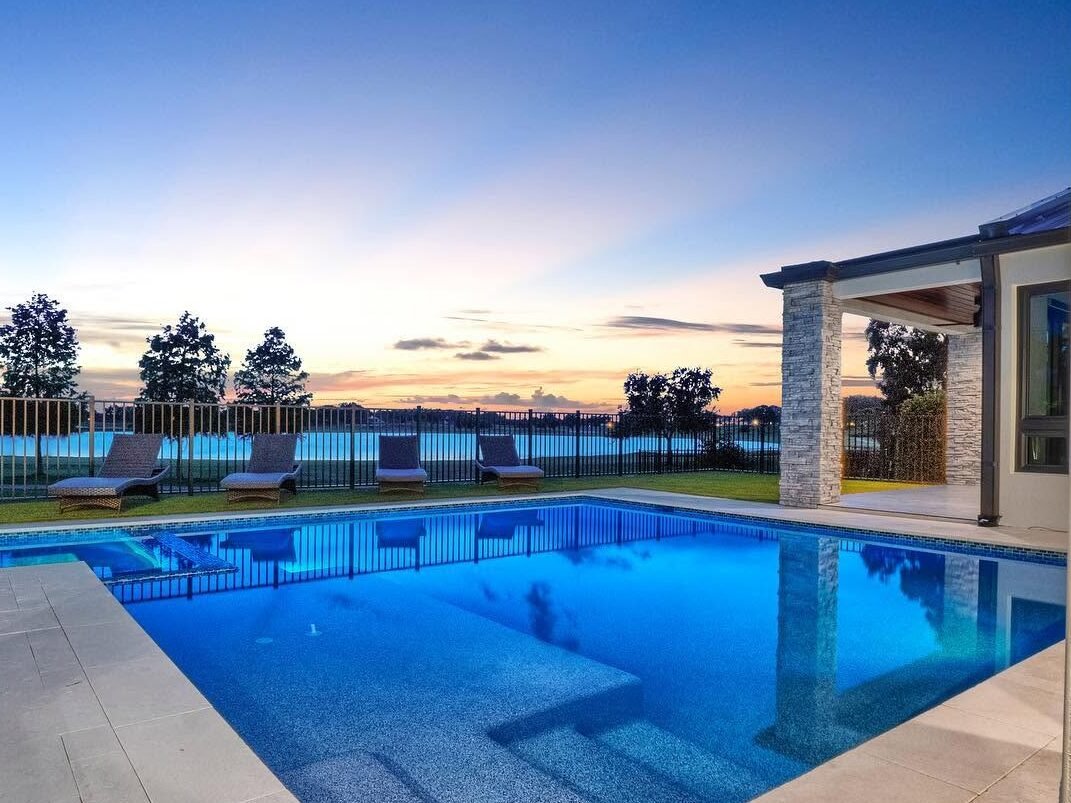
Panoramic screen enclosures utilize heavily engineered, ultra-wide horizontal spans to maximize your outdoor visibility. This style completely opens up your beautiful backyard vistas.
- The Structural Design: Minimal vertical support posts and expansive engineered screen spans remove visual barriers between your pool and the landscape.
- Best Practical Use: Best suited for premium waterfront properties, rolling golf course lots, or homes backing into scenic Florida nature preserves.
- The Main Advantages: Maximizes gorgeous perimeter views while instantly creating a high-end, luxury resort-style atmosphere for your entire outdoor living space.
- Potential Structural Drawbacks: Demands specialized heavy-duty aluminum engineering, which significantly increases initial investment costs and structural planning timeframes.
- Ideal Regional Applications: Perfect for upscale coastal properties where preserving expensive water or golf course views dictates the entire design process.
3. Dome Screen Enclosures
Dome screen enclosures feature a gentle, architecturally curved roofline that peaks high in the center. This design offers an incredibly spacious outdoor feeling.
- The Structural Design: Domed aluminum support beams rise elegantly toward the middle section before tapering smoothly down toward the outer walls.
- Best Practical Use: Excellent for spacious pool decks requiring significant vertical clearance for high diving boards or tall tropical water features.
- The Main Advantages: Sheds heavy tropical rainwater highly effectively while delivering an open, airy atmosphere with generous overhead structural clearance.
- Potential Structural Drawbacks: Complex radius beam engineering requires expert installation labor, which increases total project manufacturing and construction expenses.
- Ideal Regional Applications: Great for expansive backyard spaces where homeowners desire a premium architectural look combined with maximum vertical headroom.
4. Gable Roof Enclosures
Gable roof enclosures utilize a traditional peaked, triangular roof design that mimics classic home building architecture. This creates a strong center axis line.
- The Structural Design: Two sloped screen roof sections meet perfectly at a high center ridge, creating an attractive A-frame peak profile.
- Best Practical Use: Designed for homeowners who want their new screen cage to complement the existing pitched roofline of their house.
- The Main Advantages: Provides exceptional rainwater runoff and high wind resistance while blending cohesively with traditional American architectural home styles.
- Potential Structural Drawbacks: Requires detailed structural engineering planning to align the center peak correctly with your home’s complex roof architecture.
- Ideal Regional Applications: Highly recommended for classic craftsman or traditional style Florida homes seeking perfect visual harmony between structures.
5. Mansard Enclosures
Mansard style enclosures feature a multi-angled roofline that combines steep slopes with a flat center. This is currently Florida’s most popular look.
- The Structural Design: Multi-plane roof layouts slope upward from the perimeter walls before flattening out across the main overhead pool section.
- Best Practical Use: Best for homeowners seeking a sophisticated custom aesthetic without paying for completely personalized architectural engineering layouts.
- The Main Advantages: Creates a striking, highly distinctive look that drastically improves neighborhood curb appeal while ensuring excellent overhead drainage performance.
- Potential Structural Drawbacks: Extra framing joints and complex corner connections increase overall material costs compared to standard flat roof designs.
- Ideal Regional Applications: Perfect for upscale master-planned communities where the enclosure remains highly visible from neighboring properties or streets.
6. Hip Roof Enclosures
Hip roof enclosures feature smart architectural lines that slope downward on every single side. This eliminates flat, vertical gable wall ends entirely.
- The Structural Design: Four distinct sloped roof planes rise from the structural walls to meet cleanly at a short center ridge.
- Best Practical Use: Designed specifically for houses with hip roofs to ensure a completely seamless, matching architectural extension of the home.
- The Main Advantages: Delivers unmatched aerodynamic performance and incredible wind resistance during intense tropical storms due to its sloped multi-sided shape.
- Potential Structural Drawbacks: Requires advanced framing layout labor and intricate aluminum miter cutting, slightly raising the initial installation price point.
- Ideal Regional Applications: Essential for exposed coastal regions and hurricane-prone zones where structural wind performance remains the absolute highest priority.
7. Custom Screen Enclosures
Custom screen enclosures are fully personalized structures engineered to accommodate irregular pool boundaries, multi-level home rooflines, or unique outdoor layouts.
- The Structural Design: Tailored aluminum framing configurations integrate multiple mixed roof styles, custom angles, and highly personalized functional spatial floorplans.
- Best Practical Use: Essential for complex outdoor living spaces that seamlessly combine swimming pools, outdoor kitchens, detached spas, and large seating areas.
- The Main Advantages: Delivers a fully personalized functional layout that maximizes your usable square footage while accommodating unique architectural property constraints.
- Potential Structural Drawbacks: Commands the highest upfront financial investment and requires extensive engineering approval timelines before actual construction can begin.
- Ideal Regional Applications: Tailored for luxury estate homes and comprehensive backyard renovations where standard geometric framing options simply cannot fit.
| Secure a Free Evaluation From Florida Precision Screens Get a free, personalized quote on premium Florida pool screen enclosures tailored specifically to your home’s layout and budget.Protect Your Pool Today |
Types of Outdoor Screening
Selecting the correct screen mesh material is just as critical as choosing the right aluminum structure. Modern screen technology offers highly specialized options tailored to specific environmental challenges. Here are the most common types of outdoor screening used in Florida pool enclosures.
- Standard Fiberglass Mesh: This highly popular, budget-friendly baseline material provides reliable everyday insect protection while maintaining excellent backyard ventilation and airflow.
- Heavy-Duty Super Screen: Built using incredibly durable, long-lasting polymers, this premium upgrade offers immense puncture resistance and easily lasts three times longer.
- Pet-Resistant Specialized Screen: This heavily reinforced, extra-thick mesh configuration easily withstands aggressive scratching and tearing from active household dogs and cats.
- Fine No-See-Um Mesh: Engineered with an incredibly tight weave pattern, this specialty screen blocks tiny biting gnats that easily penetrate standard mesh.
- UV Solar Screening: Designed to block significant portions of intense solar heat radiation, this option keeps your pool deck noticeably cooler.
- Opaque Florida Glass: This vinyl-laminated specialty screen completely blocks outside visibility and prevents dirty yard debris or water runoff from entering.
- High-Clarity UltraVue Mesh: Utilizing incredibly thin structural strands, this premium mesh maximizes your optical clarity to provide completely unobstructed backyard views.
Each material works best in a specific scenario, so matching the screen to your household’s needs (pets, privacy, sun exposure, or storm frequency) makes a real difference in long term satisfaction.
What Is the Average Cost of a Screen Enclosure in Florida
The Florida pool screen enclosure cost varies based on total square footage, roof complexity, and material choices. Local engineering wind requirements also impact pricing. Here are realistic ranges homeowners can expect:
| Project Type | Estimated Cost Range |
| Small Pool Enclosure (Standard Roof) | $8,000 to $15,000 |
| Medium Pool Enclosure (Mansard/Gable) | $15,000 to $25,000 |
| Large Pool Enclosure (Complex/Panoramic) | $25,000 to $40,000+ |
| Custom Luxury Enclosure (Multi-level) | $30,000 to $50,000+ |
| Full Pool Cage Screen Replacement | $3,000 to $8,000 |
| Rescreening (per panel) | $150 to $400 |
| Minor repairs | $100 to $500 |
Key Cost Factors Breakdown
- Structural Dimensions: Larger pool decks demand heavier aluminum support beams, expansive screen rolls, and increased on-site construction labor hours.
- Roof Framing Geometry: Complex geometric layouts like dome, mansard, or custom panoramic spans cost significantly more than basic flat roof designs.
- Screen Material Quality: Upgrading from standard fiberglass mesh to premium options like Super Screen or Florida Glass increases initial material expenses.
- Regional Wind Codes: Coastal areas require heavier gauge aluminum framing and closer structural anchoring to meet strict Florida Building Code hurricane mandates.
How to Choose the Right Pool Screen Enclosure
Balancing your personal budget with your property’s specific environmental needs is the key to choosing the perfect pool enclosure. Evaluating your lifestyle, location, and local community rules ahead of time ensures a smooth installation process.
- Assess Local Environment: Properties situated on open golf courses or coastal waterways benefit from panoramic framing, while wooded lots require fine mesh.
- Evaluate Homeowner Rules: Many Florida neighborhoods enforce strict Homeowners Association guidelines regarding maximum cage heights, frame colors, and approved roof profiles.
- Prioritize Storm Resilience: Selecting a structural hip roof design paired with thick-gauge aluminum framing provides the highest level of hurricane wind protection.
- Factor Household Lifestyle: Homeowners with dogs or cats should install a heavy-duty pet screen along the bottom panels to prevent scratching and tears.
Taking time to weigh these factors upfront helps homeowners avoid costly changes or regrets after installation.
Schedule Your Free Design Consultation
Are you ready to elevate your outdoor lifestyle? The specialists at Florida Precision Screens are here to help you select the ideal structural design, aluminum grade, and specialty screen mesh for your budget.
Protect your pool investment from unpredictable weather and annoying pests. Our expert team provides transparent pricing, premium materials, and flawless installation across Florida. Reach out online or call us now to secure your comprehensive on-site enclosure consultation.
Get a Personalized Installation Estimate
Conclusion
Pool screen enclosures come in many shapes, materials, and price points, and the right choice depends on your home’s design, budget, and local climate demands. From standard flat roofs to dramatic panoramic and dome styles, each structural option offers distinct advantages worth weighing carefully.
Screen material matters just as much as structure. Whether you prioritize airflow, privacy, pet resistance, or maximum insect protection, understanding mesh counts and screen types helps you make a smarter, longer lasting investment.
Ultimately, a well-planned pool enclosure protects your family from bugs, sun, and debris while adding real value and comfort to your outdoor living space for years to come.
Frequently Asked Questions
What is the difference between 18/14 and 20/20 mesh?
An 18/14 mesh features a slightly larger, rectangular weave pattern that maximizes natural airflow and optical clarity while stopping standard pests. A 20/20 mesh uses a tighter, denser square weave designed specifically to block tiny biting insects like no-see-ums, though it slightly reduces breeze circulation.
How long does a pool screen enclosure last in Florida?
High-quality aluminum framing typically lasts 15 to 20 years or longer when properly maintained. However, standard fiberglass screen mesh generally requires complete replacement every 7 to 10 years due to intense UV degradation, severe storm friction, and local wildlife wear.
Do pool screen enclosures increase home value in Florida?
Yes, a professionally installed pool enclosure significantly increases home value by expanding usable outdoor living space and reducing daily pool maintenance. Many regional buyers explicitly seek out screened pool areas, viewing them as an essential, high-value functional asset for Florida living.
Can a pool screen enclosure withstand a hurricane?
Modern structures engineered to current Florida Building Codes withstand extreme wind loads, particularly when utilizing aerodynamic hip rooflines and heavy-gauge framing. While no outdoor structure is completely stormproof, permitted enclosures are structurally calculated to minimize severe wind damage risks.