Everything You Need to Know About Florida Pool Enclosures
Drive through almost any Florida neighborhood and you will notice something. Backyard pools are rarely left open to the sky. Instead, they sit inside large, screened structures that stretch from the roofline of the home out over the patio and water. If you are new to the state, this might look unusual at first. Out-of-state visitors often ask the same question. Why are so many Florida pools covered?
The truth is that screened pool enclosures are one of the most practical additions a Florida homeowner can make. They are not simply a style choice. They respond directly to the climate, the wildlife, and the daily realities of owning a pool in this part of the country.
Below, we break down exactly why Florida pools have enclosures, what they are made from, and how to choose one that fits your home.
What Is A Florida Pool Enclosure
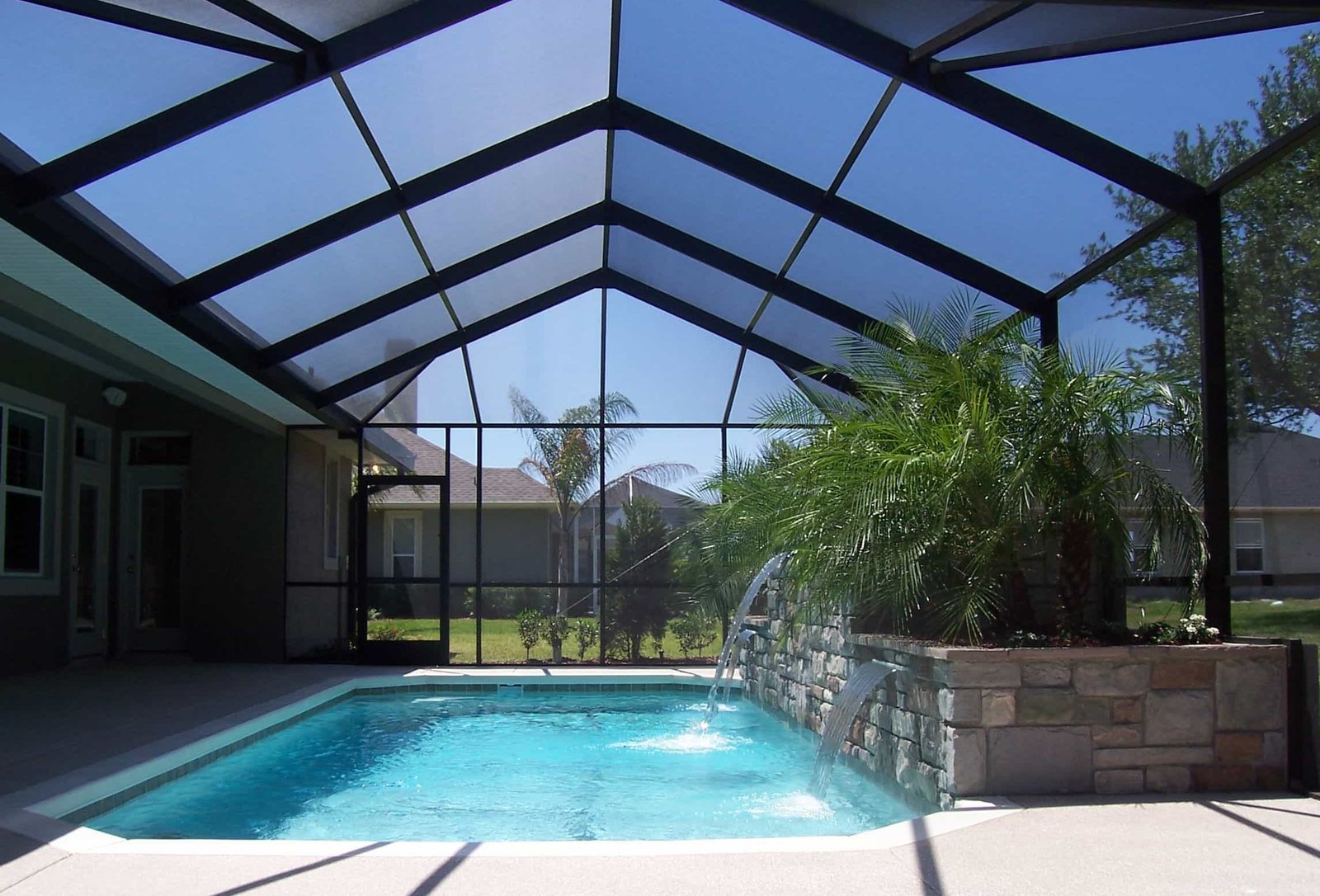
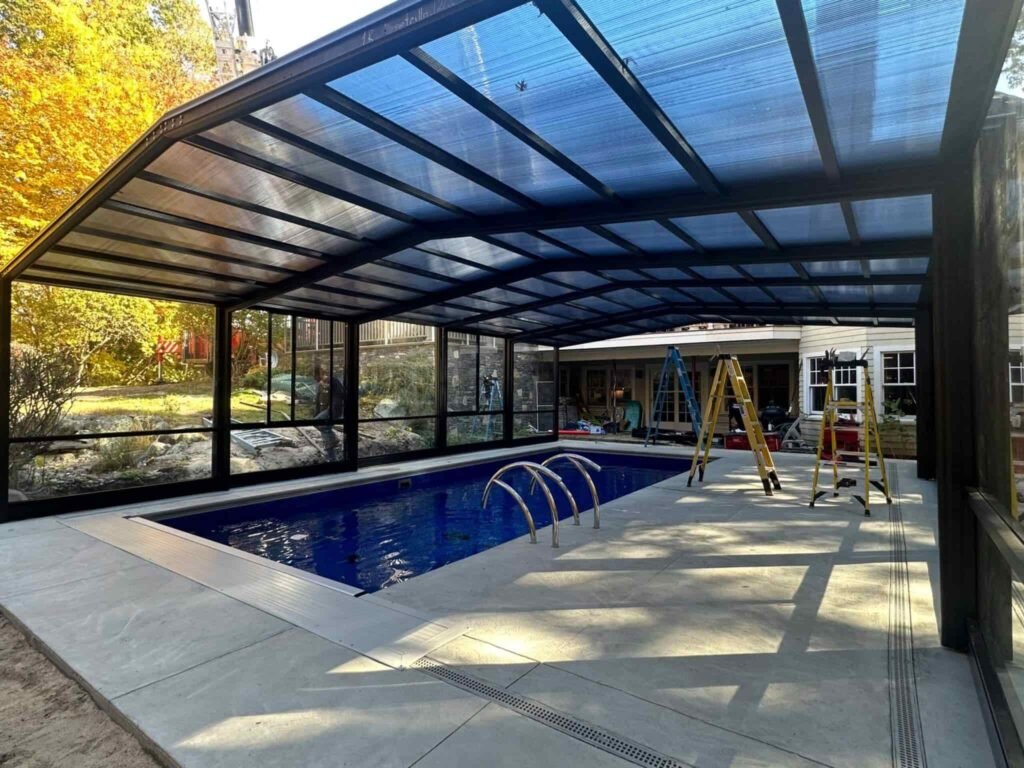
A pool enclosure is a framed structure covered in fine mesh screening that surrounds a pool area. Most are attached directly to the home and extend over the pool, and often the surrounding patio as well.
The frame is typically built from aluminum, chosen for its strength, light weight, and resistance to rust in Florida’s humid air. The screen panels stretch across the frame to keep pests and debris out while still allowing airflow, sunlight, and fresh air to pass through.
People sometimes call these structures pool cages because of their framed appearance, but modern designs are far from cage-like. Today’s enclosures come in sleek, low-profile shapes as well as taller, more dramatic rooflines, so there is a style to suit almost any home.
The Real Reasons Florida Pools Are Covered
Homeowners across the state choose to install pool screen enclosures for several overlapping reasons. Climate, comfort, safety, and cost savings all play a role.
Keeping Insects and Wildlife Out
Florida’s warm and humid climate is ideal for mosquitoes, gnats, and other biting insects. Add in frogs, lizards, and the occasional visiting raccoon, and an open pool becomes an easy target.
A screened enclosure creates a physical barrier between your water and the outside environment. You can swim, float, or relax poolside without constant bug bites or unwanted wildlife encounters, which makes the whole backyard far more enjoyable to actually use.
Blocking Harmful UV Exposure
Florida sees strong sun and high UV index readings for most of the year, especially around midday. Sunscreen helps, but it wears off quickly and cannot be reapplied every few minutes while you are trying to relax.
Enclosure screening filters a portion of direct UV rays before they reach your skin, furniture, and pool surfaces. Over time, this also helps protect outdoor cushions, decking, and pool finishes from premature fading and sun damage.
Cutting Down on Leaves, Dirt, and Storm Debris
Florida’s landscaping is lush, which means constant leaf drop, along with frequent afternoon storms and gusty winds. An open pool tends to collect debris almost daily.
A screen enclosure keeps leaves, twigs, dirt, and wind-blown yard waste out of the water. Less debris means less time spent skimming and vacuuming, and it keeps your filtration system running more efficiently between cleanings.
Lower Energy and Maintenance Costs
This is one benefit many homeowners overlook until they see the difference firsthand. With reduced direct sun exposure, pool water tends to heat up less during the day, which can lower how often heating or cooling systems need to run.
Cleaner water also means fewer chemicals are needed to maintain proper balance, and pumps and filters face less strain from debris. Together, these small savings add up steadily across a full year of pool ownership.
Added Style and Home Value
A well-designed enclosure does more than protect. It gives your backyard a finished, intentional look, turning a basic pool area into a true outdoor living space.
Many homeowners coordinate their enclosure color and roofline with their home’s existing architecture. Options like ceiling fans, accent lighting, and privacy screening can transform the space even further.
Because Florida buyers generally expect pools to be enclosed, homes with a professionally installed screen structure often stand out during resale and can support a stronger asking price compared to homes with open pools.
| Ready to Upgrade Your Outdoor Living Space?Create a custom pool enclosure with a trusted pool screen enclosure installer, designed to enhance your home’s appearance, comfort, and long-term value.Get a Free Estimate |
Are Pool Enclosures Legally Required in Florida
This is one of the most common questions we hear, and the answer is a little more nuanced than a simple yes or no.
Florida law requires that residential pools have some form of safety barrier to prevent unsupervised access, particularly by young children. This barrier can take a few different forms, including a fence, a self-latching gate, an approved pool alarm, or a full screen enclosure.
A properly built enclosure satisfies this legal requirement while also delivering the comfort, cleanliness, and sun protection benefits described above. That combination is a major reason enclosure have become the preferred choice for so many homeowners rather than a simple fence.
Choosing the Right Enclosure Materials
Most Florida enclosures rely on a proven combination of aluminum framing and mesh screening, and for good reason. Aluminum framing is lightweight yet strong enough to handle Florida’s heat, humidity, and seasonal storms. It resists rust and requires very little upkeep over the years, which matters in a climate this demanding.
For the screening itself, fiberglass mesh is the most widely used option thanks to its balance of durability and airflow. Some homeowners choose heavier polyester mesh for added strength, particularly in storm-prone areas, or add upgrades such as no-see-um mesh for finer insect control or privacy screening for shaded, secluded spots.
Popular Pool Enclosure Designs for Florida Homes
Pool enclosures are far from one size fits all. Depending on your home’s architecture and your personal taste, a few common roof styles include:
- Flat Roof: Creates a sleek, low-profile appearance that complements modern homes while maintaining a clean, simple, and functional outdoor design.
- Gable Roof: Features a pitched roofline that matches traditional architecture, offering additional height, improved airflow, and a spacious outdoor feel.
- Mansard Roof: Combines sloped sides with a raised centre section, delivering an elegant appearance and greater overhead space for relaxation.
- Dome or Panoramic Roof: Maximizes natural light and wide outdoor views, creating an open atmosphere without compromising weather protection or durability.
Your enclosure can also be shaped around existing features like custom decking, pavers, or an outdoor kitchen. So, the finished structure feels like a natural extension of your home rather than an afterthought.
Create a Pool Enclosure That Completes Your Outdoor Space
Choosing the right design, roof style, and finishes helps your enclosure blend seamlessly with your patio, landscaping, and existing features. Whether you’re adding a new enclosure or replacing an older structure, expert planning makes all the difference.
Florida Precision Screens delivers custom pool enclosures that blend exceptional craftsmanship with long-lasting durability. Every project is designed to enhance your outdoor living experience while increasing your home’s value and visual appeal.
Final Notes
Screened pool enclosures have become a defining feature of Florida backyards for good reason. They protect against insects and wildlife, reduce UV exposure, cut down on debris, lower ongoing maintenance and energy costs, support state safety requirements, and boost the overall look and value of a home.
If you are weighing the pros and cons of adding an enclosure or you are ready to upgrade an existing one, working with an experienced local team makes the process far smoother. A well-planned enclosure is a long-term investment in comfort, safety, and enjoyment of your backyard.
Read Next: Best Types of Pool Screen Enclosures for Florida Homes
Frequently Asked Questions
Are pool enclosures required by Florida law?
Florida law requires a safety barrier around residential pools, which can include a fence, gate, alarm, or screened enclosure. Many homeowners select an enclosure because it satisfies this requirement while also improving comfort, cleanliness, and everyday usability of the pool area.
Do pool enclosures actually keep bugs and animals away?
Yes. A properly installed enclosure forms a physical barrier that blocks mosquitoes, no-see-ums, frogs, lizards, and other wildlife from entering the pool area. This makes swimming and entertaining far more comfortable, especially during warm Florida evenings when insects are most active.
Will an enclosure reduce how often I clean my pool?
Enclosures significantly cut down on leaves, dirt, and storm debris entering the water, which means less frequent skimming, vacuuming, and chemical use. Over time, cleaner water also reduces strain on pumps and filtration equipment, helping the entire pool system run more efficiently.
How long does a screened pool enclosure typically last?
With quality aluminum framing and durable mesh screening, most enclosures last well over a decade with proper care. Routine maintenance, such as tightening frames, resealing seams, and replacing worn screen panels when needed, helps extend the structure’s usable lifespan considerably.
Does adding a pool enclosure increase home value?
Florida buyers generally expect pools to be enclosed, so homes with a professionally built screen structure often attract more interest and stronger offers. Beyond resale value, enclosures also lower ongoing maintenance costs and expand usable outdoor living space for everyday enjoyment.