What Are the Different Screen Enclosure Types Available in Florida
Outdoor living is a core part of Florida life. But bugs, intense sun, and constant yard debris can quickly ruin an afternoon on the patio. A quality screen enclosure transforms your outdoor space into a comfortable, low-maintenance extension of your home.
Whether you want to cover a swimming pool, enclose a porch, or design a custom build, choosing the right enclosure depends on your space, lifestyle, and budget. Let’s break down the main types of screen enclosures available in Florida so you can choose the best fit for your property.
Why Screen Enclosures Are Popular in Florida
Florida’s warm, humid climate creates ideal conditions for mosquitoes and other insects, particularly near pools, gardens, and wooded areas. Frequent rain showers and intense sunlight also mean many homeowners want a way to enjoy their outdoor areas without being fully exposed to the elements.
Screening allows fresh air and natural light to pass through while keeping unwanted pests, leaves, and debris out, which is why enclosures are common across pools, patios, lanais, and porches throughout the state.
Learn More in Detail: Why Do Florida Pools Have Screen Enclosures
Different Types of Screen Enclosures in Florida
There are several enclosure styles used across Florida homes, each designed around a different part of the property or a different way of living outdoors.
Pool Screen Enclosures
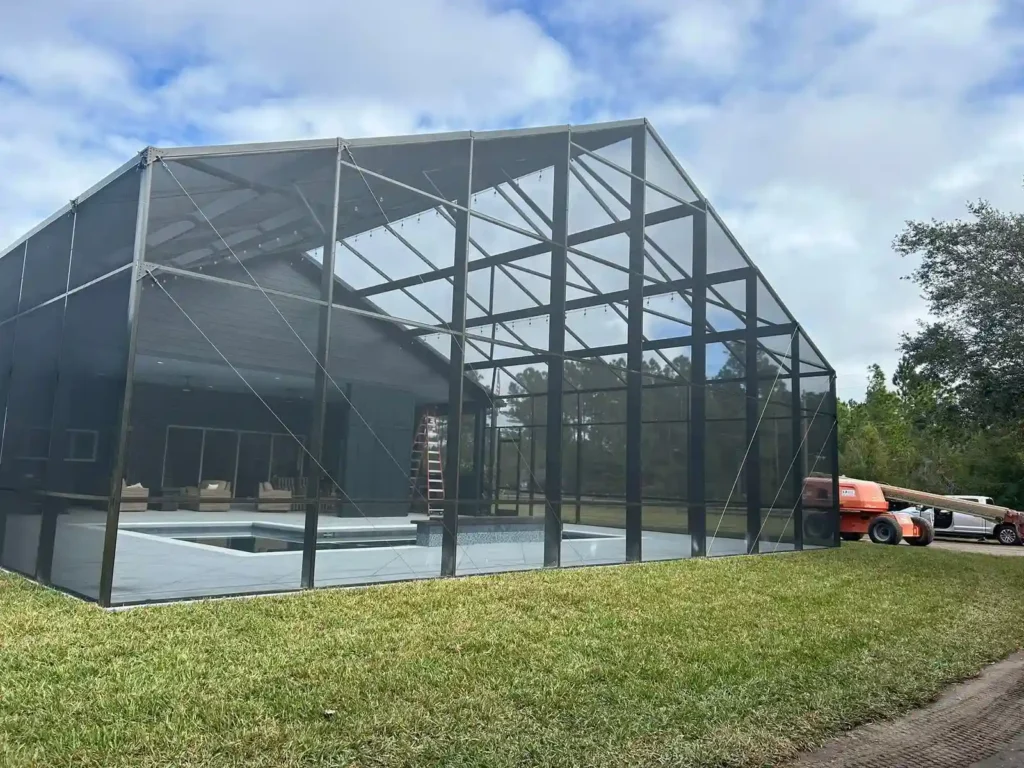
Pool screen enclosures surround the swimming pool and surrounding deck area, offering protection from insects, falling leaves, and debris that would otherwise end up in the water. They also allow airflow through the mesh, helping to keep the pool area cooler than a fully enclosed structure. Many Florida homeowners choose pool enclosures to extend the practical use of the pool area throughout the year while reducing pool cleaning and maintenance.
Lanai Screen Enclosures
A lanai is a covered outdoor living area, often attached to the rear of a Florida home, and screening it turns the space into a comfortable spot for relaxing, dining, or entertaining. A screened lanai keeps insects out while still feeling connected to the outdoors, since the mesh allows views and airflow rather than closing the space off completely. This makes it a popular choice for homeowners who want an outdoor room that feels like a natural extension of the house.
Patio Screen Enclosures
Screening a patio extends how the space can be used without turning it into a fully enclosed room. It allows homeowners to sit outside, host guests, or set up outdoor furniture while being protected from insects and light debris. Patio enclosures are often chosen when homeowners want a middle ground between a completely open patio and a more permanent structure.
Porch Screen Enclosures
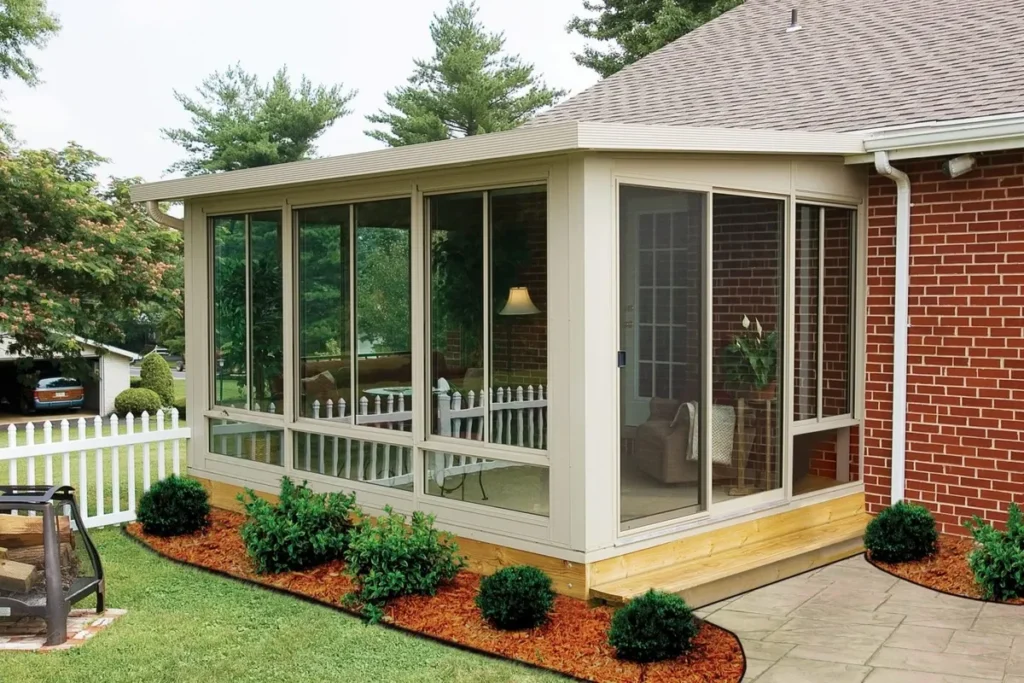
Screened porches, whether at the front or rear of a property, offer a comfortable spot to sit outside while maintaining airflow and a clear view of the surroundings. They are particularly useful for homeowners who enjoy sitting outdoors in the evening without dealing with mosquitoes. A screened porch also helps keep the immediate entryway or seating area cleaner by reducing wind blown debris.
Under Deck or Ground Level Screen Enclosures
For properties with elevated decks or split level layouts, the ground floor space beneath a deck is sometimes underused. Screening this area can turn it into a functional, insect protected space for storage, seating, or additional outdoor living, making better use of a part of the property that might otherwise sit empty.
Custom Screen Enclosures
Not every property fits a standard enclosure design. Irregular layouts, large outdoor spaces, unusual roof lines, or specific functional requirements often call for a custom approach. Custom screen enclosures are designed around the existing structure and the homeowner’s intended use, rather than fitting the property to a standard template.
| Upgrade Your Outdoor Space With a Custom Screen Enclosure in Florida Get a professional installation screen enclosure in Florida designed for your Florida home, lifestyle, outdoor space, and protection needs.Get a Free Quote |
A Quick Comparison of the Types of Screen Enclosures
| Type of Enclosure | Best Suited For | Main Benefit | Important Consideration |
| Pool Enclosure | Pools and pool decks | Keeps insects and debris out of the pool area | Requires enough surrounding space for framing |
| Lanai Enclosure | Rear outdoor living areas | Creates a comfortable connection between indoor and outdoor spaces | Works best with an existing covered structure |
| Patio Enclosure | Open patios | Extends the time you can comfortably use the outdoor space | May require additional support depending on patio size |
| Porch Enclosure | Front or rear porches | Maintains airflow while preserving outdoor views | Best suited to smaller, clearly defined spaces |
| Under Deck Enclosure | Split level or elevated properties | Turns underused ground level space into a functional area | Depends on the condition and design of the existing deck |
| Custom Enclosure | Irregular or larger properties | Designed around specific layouts, preferences, and requirements | Usually requires more detailed planning and measurements |
How to Choose the Right Screen Enclosure for Your Florida Home
Selecting the right screen enclosure isn’t about finding a single “best” model, it’s about balancing your home’s layout, lifestyle demands, and Florida’s intense climate.
7 Important Factors When Choosing a Screen Enclosure
- Define Your Purpose: Decide whether you need better insect protection, shade, privacy, easier pool maintenance, or a more comfortable outdoor living area.
- Evaluate Your Space: Measure the available area and consider pool placement, existing walls, rooflines, and how the enclosure will connect to your property.
- Choose Suitable Materials: Select an appropriate screen mesh and aluminium frame based on sunlight, insect protection, pets, visibility, and expected durability.
- Consider Florida Weather: Ensure the enclosure is designed for local conditions, including strong winds, heavy rainfall, intense sunlight, and coastal exposure where applicable.
- Check Local Requirements: Review applicable building codes, permit requirements, and HOA rules for your municipality before starting the project.
- Plan Your Budget: Consider both installation costs and ongoing maintenance when comparing enclosure options and materials.
- Get Professional Advice: Arrange a site assessment and precise measurements with an experienced installer to determine the most suitable design for your property.
Screen Materials and Structural Considerations
An enclosure’s long-term performance comes down to high-grade components engineered for Florida conditions:
- Screen Mesh Options: Choose specialty screens like pet-resistant mesh, high-shade fabric, or ultra-fine “no-see-um” netting depending on your site needs.
- Aluminum Framing & Attachment: Heavy-gauge aluminum resists corrosion. Framing must tie directly into sound boards to ensure a weather-tight, wind-resistant seal against your roofline.
- Surface Preparation: Before installation begins, concrete pads and pool decks should undergo professional pressure washing (using low pressure or soft washing) to eliminate dirt, chalking, and algae, ensuring anchors achieve a firm, reliable grip.
Professional Screen Enclosure Installation in Florida
Every property presents unique dimensions, sun angles, and structural attachment points. Working with experienced, licensed installers ensures a custom-engineered screen enclosure tailored specifically to your home’s layout and budget. From initial planning to final inspection, a professional team handles the technical steps required to keep your outdoor space protected, functional, and durable for years to come.
Step 1. Site Assessment & Custom Design
Technicians evaluate the property, measure attachment points along the house’s soffit and fascia, and confirm that wood or aluminum eaves are structurally sound.
Step 2. Permitting & Code Compliance
Engineering plans are submitted to local building departments to secure permits and ensure the enclosure meets Florida’s strict wind-load and storm resistance regulations.
Step 3. Site Preparation & Site Framing Base
The perimeter base, concrete footings, or deck anchors are prepped and aligned to create a level, secure foundation for the frame.
Step 4. Aluminum Frame Erection
Heavy-gauge, corrosion-resistant aluminum posts, purlins, beams, and roof framing are anchored securely to the base and existing building structure.
Step 5. Screen Mesh Installation & Splining
Selected screen mesh (standard, no-see-um, or pet-resistant) is rolled into the aluminum channels, pulled tight, and locked in place with durable vinyl spline.
Step 6. Hardware, Doors & Final Cleanup
Screen doors, latches, kickplates, and accessories are installed. The site is cleaned of all debris, followed by a final inspection to verify structural stability and tension.
Create a More Comfortable Outdoor Space in Florida’s Home
From pool enclosures and screened lanais to patios, porches, under deck areas, and custom designs, Florida homeowners have plenty of options for enjoying outdoor spaces with greater comfort and insect protection.
Choose an enclosure based on your property layout, lifestyle, and local conditions. Contact Florida Precision Screens to discuss your project and find a solution that fits your home and outdoor needs.
Frequently Asked Questions
What type of screen enclosure is best for a Florida pool?
A dedicated pool screen enclosure is generally best, since it is designed to surround the pool and deck area, keeping insects and debris out while allowing airflow. The exact design still depends on the pool’s shape, size, and surrounding space.
Can a screen enclosure be customised for an existing patio?
Yes, patios can often be screened using either a standard patio enclosure or a custom design if the layout is irregular. A professional assessment helps determine whether the existing structure can support standard framing or needs a tailored approach.
How long does a screen enclosure typically last in Florida?
Lifespan varies depending on materials, installation quality, and exposure to weather conditions such as sun and storms. Choosing materials suited to Florida’s climate and having the enclosure properly installed and maintained helps it perform well over time.
What should Florida homeowners consider before installing a screen enclosure?
Consider the space available, intended use, desired shade and insect protection, existing structure, budget, and maintenance expectations. Local weather conditions and building requirements should also be factored in before finalising a design.
How much does a 20 by 20 screened porch cost?
The cost depends on whether you are screening an existing porch or constructing a new structure. Enclosing an existing space may cost around $4,000 to $10,000, while a new screened porch can cost approximately $20,000 to $48,000 or more. For an exact estimate please feel free to contact us.